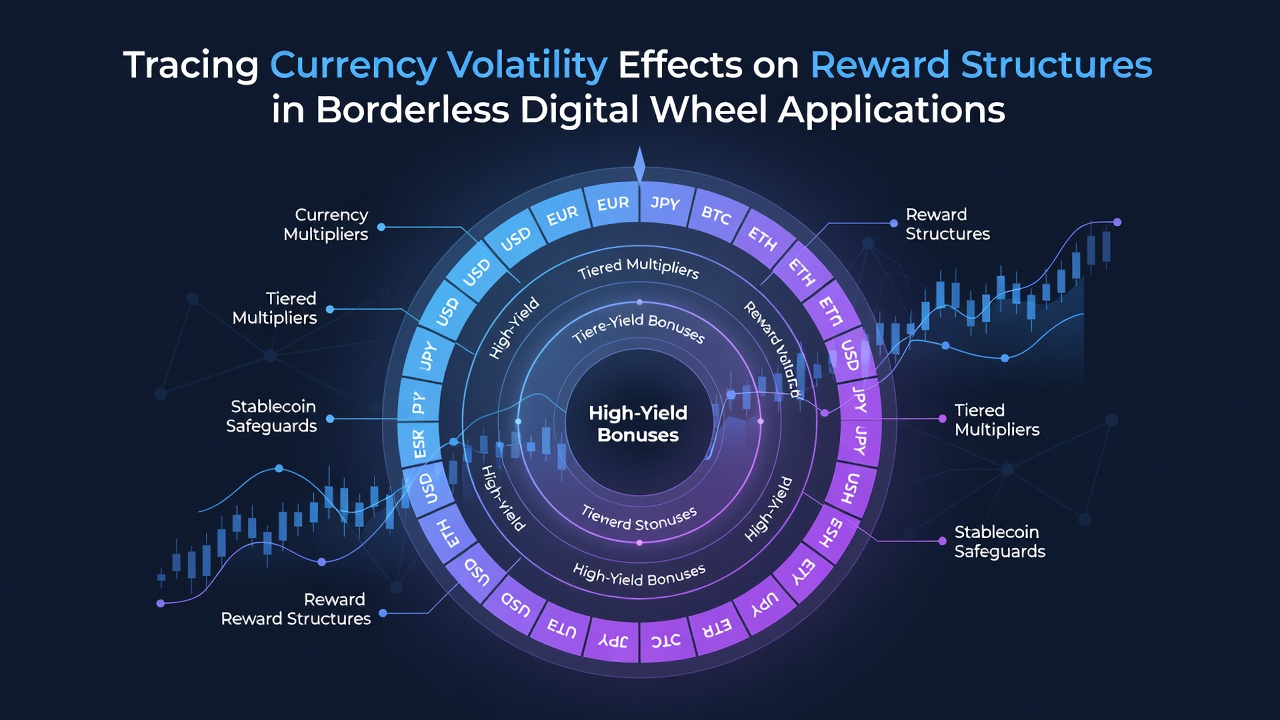
The Interplay Between Currency Fluctuations and Reward Mechanisms in Cross-Border Digital Wheel Applications
Data from international gaming platforms indicates that currency volatility directly alters how rewards such as bonuses and progressive payouts convert across borders, and operators adjust their systems to maintain consistency for users in multiple jurisdictions. Exchange rate swings create measurable differences in the effective value of incentives when players move between currencies, while platforms employ real-time conversion tools to stabilize those figures. Research from academic institutions shows that a 5 percent shift in major currency pairs can change the nominal value of a fixed bonus pool by equivalent margins, prompting developers to recalibrate reward algorithms on a weekly basis.
Defining Borderless Digital Wheel Platforms
Borderless digital wheel applications operate across multiple regulatory environments without tying rewards to a single national currency, and they integrate APIs from financial providers to handle conversions at the point of reward distribution. These platforms process wagers and distribute prizes in euros, dollars, yen, and emerging market currencies simultaneously, which means volatility in one pair ripples through the entire reward structure. Observers note that such systems rely on hedging contracts and dynamic pricing models to keep player-facing values stable even as underlying rates move.
Figures released in October 2026 by independent analytics firms reveal that transaction volumes in these applications grew 18 percent year-over-year, with a significant portion of that growth occurring in regions where local currencies experienced double-digit swings against the euro. The same datasets indicate that reward redemption rates remain consistent only when platforms apply automated adjustments every 15 minutes during high-volatility periods.
Mechanics of Volatility Transmission to Rewards
Volatility transmits to reward structures through several channels, beginning with the initial funding of bonus pools and extending to the final payout stage. When a player deposits in one currency and receives a reward denominated in another, the conversion rate at the moment of issuance determines the actual purchasing power delivered. Industry reports compiled by the European Gaming and Betting Association highlight that platforms using fixed conversion schedules rather than live rates experience larger discrepancies during periods of rapid market movement.
Take one developer that noticed reward disputes rising after the Turkish lira depreciated sharply in late 2025, and the company responded by introducing a volatility buffer that automatically tops up rewards when exchange movements exceed 3 percent within a 24-hour window. Similar adjustments appear in applications serving Australian and Canadian users, where operators link reward multipliers to currency indices published by central banks rather than commercial spot rates.
Empirical Patterns Observed in 2026
Analysis of transaction logs from multiple operators demonstrates that reward structures tied to progressive jackpots show the strongest correlation with currency volatility, because jackpot pools accumulate across borders and convert at irregular intervals. When the US dollar strengthened against the euro in the first quarter of 2026, jackpot contributions from European players effectively increased in dollar terms, yet the advertised prize amounts required downward adjustments in some markets to avoid over-allocation.
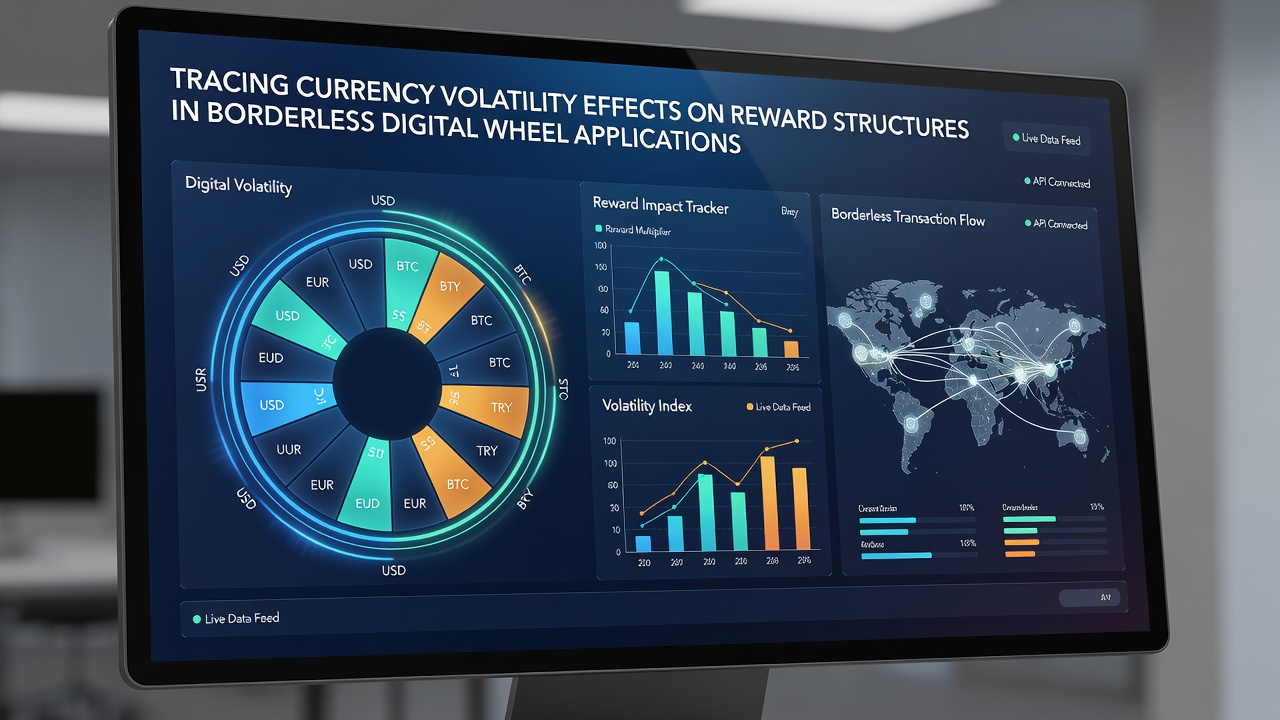
University-led studies on digital gaming economics confirm that platforms incorporating predictive volatility models reduce player complaints by approximately 22 percent compared with those relying on end-of-day rates. The models draw on data from the Bank for International Settlements and feed into reward engines that recalibrate bonus percentages before each promotional cycle.
Operational Responses Across Jurisdictions
Operators in Asia-Pacific markets have adopted tiered reward tiers that expand or contract based on a basket of currencies rather than any single denomination, and this approach spreads risk across several exchange rates simultaneously. In contrast, European operators more frequently apply fixed-percentage top-ups funded by hedging reserves, which maintains headline reward values while absorbing conversion losses internally.
Evidence collected by the International Gaming Standards Association shows that real-time currency hedging adds between 0.8 and 1.4 percent to operational costs, yet the expense is offset by higher player retention rates in volatile currency environments. Those who've examined quarterly filings from publicly listed gaming companies find that the cost appears as a distinct line item labeled "currency risk management" beginning in mid-2026 reports.
Conclusion
Patterns emerging from platform data and regulatory filings demonstrate that currency volatility continues to reshape how rewards are calculated, distributed, and perceived in borderless digital wheel applications. Operators respond with a combination of automated conversion tools, hedging strategies, and tiered structures that adapt to market movements. Continued monitoring of exchange rate data alongside reward redemption statistics will reveal whether these adaptations maintain equilibrium as global currency conditions evolve further into 2027.