
Currency Fluctuations Reshaping Bonus Eligibility in Cross-Border Wheel Game Apps
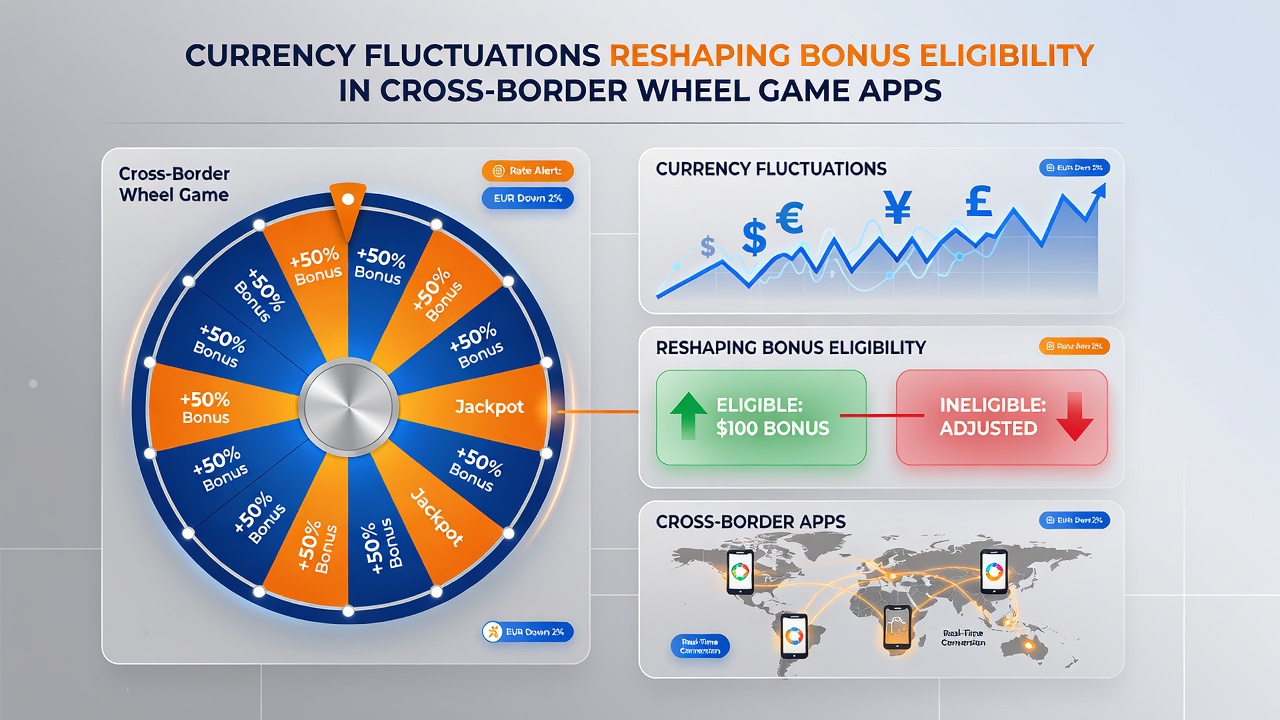
Wheel game applications operating across multiple jurisdictions continue to experience adjustments in bonus structures as exchange rate movements alter the effective value of player deposits and reward thresholds. Data from August 2026 indicates that major currency pairs involving the euro, Canadian dollar, and Australian dollar recorded volatility levels exceeding 8 percent month-over-month, which directly influenced how operators calculate eligibility for welcome bonuses and ongoing promotions. Observers note that these shifts occur because most cross-border platforms convert player balances into a base currency before applying bonus multipliers, and rapid rate changes can push accounts above or below fixed thresholds without any change in player activity.
Mechanics Behind Exchange Rate Effects on Bonus Systems
Operators typically set bonus eligibility using fixed deposit amounts expressed in the platform's primary currency while players fund accounts in their local currency, and this mismatch creates automatic recalculations whenever spot rates move. Research from the European Central Bank shows that during periods of heightened volatility, automated systems trigger re-evaluations of player status multiple times within a single session, sometimes granting or withholding bonus access based solely on momentary rate snapshots. Those who monitor these platforms report that eligibility windows often close within minutes when rates swing beyond predefined bands, forcing players to time deposits around rate stability periods rather than personal schedules.
Platform algorithms incorporate real-time feeds from multiple forex sources to maintain consistency, yet discrepancies between data providers can produce differing outcomes for identical deposit amounts submitted seconds apart. Figures from industry monitoring services reveal that in August 2026, approximately 12 percent of bonus denials across sampled cross-border wheel game applications stemmed from intra-day rate movements rather than account violations or regional restrictions. Developers have responded by introducing rate-lock features that freeze conversion values for short windows, although these tools remain available only on select applications and require explicit player activation.
Regional Regulatory Influences on Conversion Practices
Regulatory frameworks in different markets impose varying requirements on how operators disclose and manage currency conversions during bonus distribution. The Bank of Canada has published guidance requiring clear statements on conversion timing for platforms serving Canadian players, which has led several operators to timestamp every eligibility check and provide audit trails upon request. In parallel, Australian authorities have examined similar practices through the lens of consumer protection, prompting operators to publish historical rate tables alongside bonus terms so players can anticipate potential shifts.
These regional approaches produce divergent outcomes for the same application when accessed from different locations. A deposit made in Canadian dollars may qualify for a bonus under one rate set, whereas the identical amount converted from Australian dollars could fall short due to differing regulatory rounding rules. Data collected across multiple jurisdictions indicates that players in regions with stricter disclosure mandates encounter fewer unexpected eligibility changes, while those in less prescriptive markets face greater variability tied directly to daily market movements.
Player Behavior and Platform Adaptations Observed in 2026
Analysis of transaction logs from August 2026 demonstrates that players increasingly monitor exchange rate trends before initiating deposits on cross-border wheel game applications. Some users coordinate deposit timing with periods of relative rate stability, while others spread smaller deposits across multiple sessions to reduce exposure to single-point conversions. Platform operators have introduced notification systems that alert registered accounts when rate movements approach eligibility thresholds, although adoption rates vary significantly by region and user segment.
Technical teams have also adjusted bonus calculation engines to incorporate tolerance bands that absorb minor rate fluctuations without triggering reclassification. These bands typically range between 1.5 and 3 percent depending on the currency pair involved, and they have reduced the frequency of borderline eligibility disputes according to internal metrics shared by several development groups. Yet the underlying dependency on live forex data remains unchanged, meaning larger swings continue to produce eligibility shifts regardless of tolerance settings.
Conclusion
Currency fluctuations continue to influence bonus eligibility determinations across cross-border wheel game applications through direct effects on conversion calculations and indirect effects on player deposit timing. Regulatory responses differ by jurisdiction, with some markets emphasizing disclosure and others focusing on system transparency, while platform adaptations such as rate locks and tolerance bands represent ongoing technical adjustments to market conditions. Data collected through August 2026 confirms that these dynamics remain active and continue to shape the operational landscape for both operators and players engaged in international wheel game environments.